The Countering Hate, Cultivating Hope project has begun in the Diocese of Chelmsford, with our first Community Stakeholder Cluster meeting held in Newham Deanery.
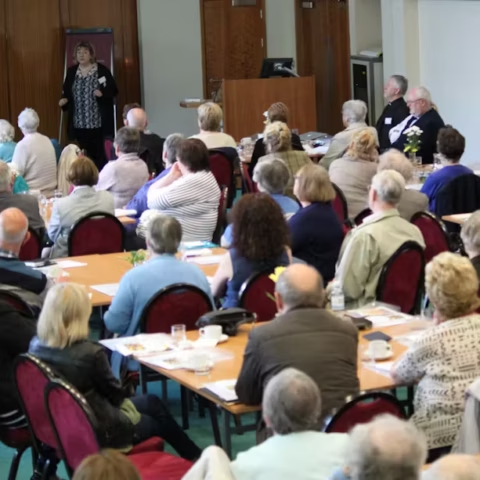
Hosted by The Centre for Theology and Community (CTC), the Newham cluster meeting marked the start of the three-year Countering Hate and Cultivating Hope project. Through this we are bringing together churches, community organisations, and local leaders to explore how communities can respond to growing polarisation, division, and hostility.
CHCH Project Report – August 2026:
The main church involved in the project in Newham is Christ Church Three Mills, led by the Revd Dan Scott.
Alongside Newham Deanery, the plan is to develop a further cluster in Barking and Dagenham, and in the longer term to begin work in Essex.
Newham is a diverse area in England is where many residents face social and economic pressures.
Participants attending the cluster meeting spoke about unequal access to public services, concerns about neighbourhood change, racism, political distrust, and the impact of divisive public narratives.
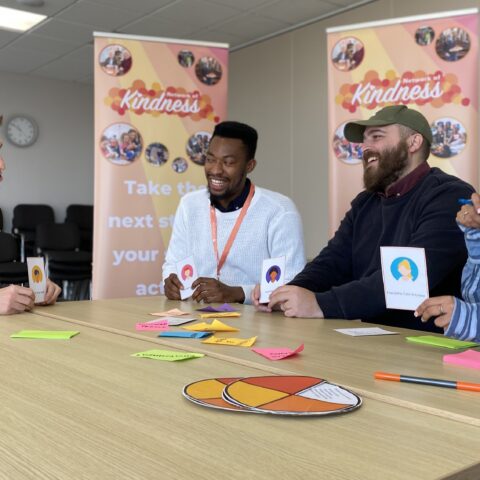
The meeting was designed as a listening space. Participants began by sharing what gives them hope for society. They spoke about faith, relationships, acts of kindness, growing public awareness of injustice, and the commitment of local people to improve their communities.
The group then reflected on where their churches and organisations currently sit within CTC’s cycle of prayer and organising. This cycle moves through listening, theological reflection, action, and learning before beginning again. Many participants felt they were already in an action phase.
They were running community gardens and cafés, supporting migrants and refugees, organising youth safety campaigns, helping people respond to legal and immigration changes, and developing community-led initiatives. Several participants recognised the need to pause, listen again, and consider whether existing activities were building lasting leadership and responding to the issues people now face.
The discussion highlighted several pressures affecting life in Newham. Participants spoke about language barriers in schools, healthcare, and public services. People who do not speak English confidently may struggle to secure interpretation, understand their rights, or access essential support. Migrant and refugee communities also face changing immigration policies, restrictions on employment, and uncertainty about their future.
The group also considered the experiences of longer-term residents who feel unsettled by rapid neighbourhood change. These concerns can be shaped by political propaganda or directed against newer communities. The discussion did not seek to dismiss people’s fears or validate hostility. Instead, participants explored how churches and community organisations might create spaces where people meet, listen, and understand one another’s experiences.
Stories of local action showed the difference relationships can make. Participants shared work on the right to employment for asylum seekers, free school meals, youth safety, trauma-informed services, support with legal challenges, and activities which bring people together through cooking, worship, and neighbourhood projects.
The first meeting marked the beginning of a group able to learn and act together over time. Several one-to-one conversations have since taken place, including conversations with Muslim leaders interested in joint working.
These early discussions will help broaden the cluster and ensure that future meetings include people from different faiths, institutions, and communities. As the work develops, the cluster will also seek to involve local authority representatives and other public service partners.
Countering hate requires more than reacting to moments of crisis. It requires the cultivation of hope: which involves developing strong relationships, trusted local institutions, shared leadership, and spaces where people can speak honestly across difference. The Newham cluster offers a place where this patient work can grow and where communities can move from listening towards shared action and hope.`
The group will reconvene in early autumn. In the meantime, participants will continue individual conversations, consider who else should be invited, and develop the campaigns and community activities already underway.
Contributor: Marzena Cichon-Balcerowicz
Deputy Director of Centre for Theology and Community