
For more than 40 years, Faith in the City has been a landmark call for justice, equality, and dignity for all.
First published in 1985, the report highlighted deep inequalities across urban communities and urged both the Church and wider society to respond with compassion and action.
Those same issues – rising poverty, loneliness, food insecurity, and fractured communities – continue to affect people across the Liverpool City Region today. Faith and community groups remain at the heart of neighbourhood life, offering practical help, friendship, advocacy, and hope.
Together Liverpool, in partnership with Churches Together in the Merseyside Region, invites everyone to read the Manifesto for Hope in our City Region.
Shaped by voices from across our communities, the Manifesto sets out shared priorities for a fairer, more compassionate Liverpool City Region.
By engaging with the Manifesto, you join a growing movement committed to building hope, strengthening community connection, and responding to need with kindness and courage.
By pledging to support these priorities, you can play a part in helping our region flourish.
Pledge your support for the Manifesto for Hope
We’re asking people to make a pledge of support by committing to take action in response to any of the Manifesto’s nine priorities and areas of focus.
Your pledge could involve starting something new, strengthening work already happening, supporting a local campaign, or taking simple steps to build connection and compassion in your community.
Every commitment, however small, helps build a fairer and more hopeful Liverpool City Region.
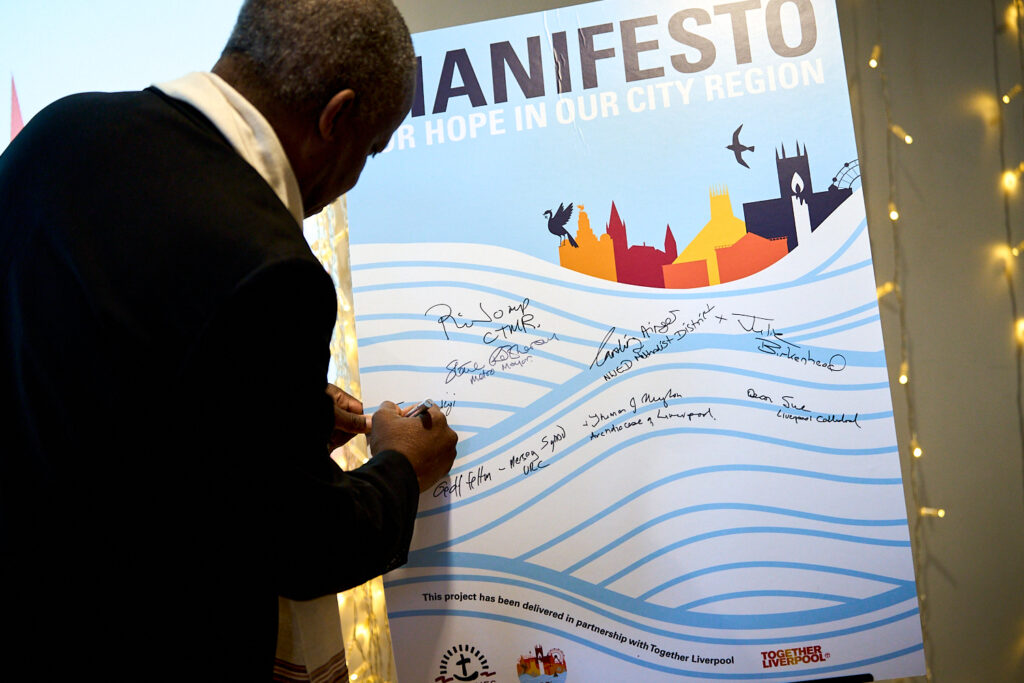
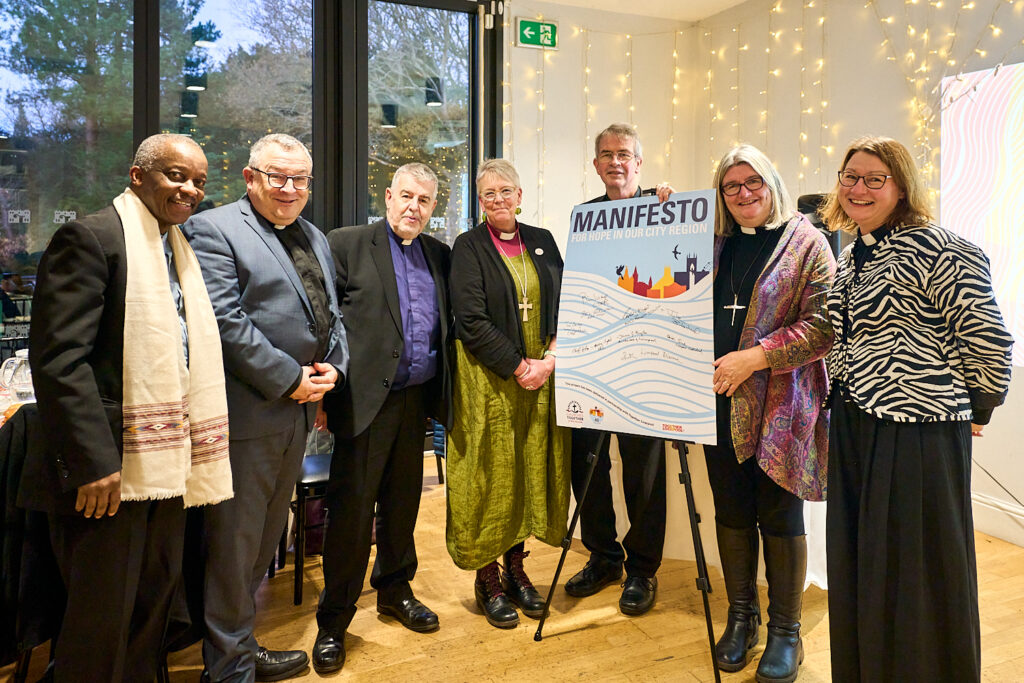
Rooted in the same spirit that inspired the 1985 Faith in the City report, the Manifesto for Hope has been endorsed by key leaders across the Liverpool City Region, including:
The Rt Revd Ruth Worsley, Interim Bishop of Liverpool, the Very Revd Dr Sue Jones, Dean of Liverpool, Revd Phil Jump, Chair of Churches Together and Regional Minister for the North Western Baptist Association, Steve Rotheram, Mayor of the Liverpool City Region, and Cllr. Liam Robinson, Leader of Liverpool City Council.
“Love, hope and solidarity form the foundation of our shared response, as outlined in the Manifesto for Hope. Together, we can build a society where everyone is valued and no one is left behind. Supporting those in need is not merely an act of kindness, but is central to our shared humanity. This manifesto stands as a reminder of what can be achieved when we unite around a common goal, echoing Jesus’ words: ‘Whatever you did for one of the least of these you did for me… whatever you did not do for one of the least of these, you did not do for me’ (Matt 25:40,45).”
Rt Revd Ruth Worsley, Interim Bishop of Liverpool
“No one can doubt that our city region and our nations face significant challenges at the present time. It is easy in such circumstances to be overcome by despair and be swept along by narratives of blame. We hope this manifesto will inspire everyone across our city region, irrespective of their faith background, to recognise what can be accomplished when communities work together and to see those things that are wrong in society as opportunities to strive for better.”
Revd Phil Jump, Regional Minister for the North West Baptist Association
“Forty years on from the original Faith in the City report, rising poverty, food insecurity, loneliness, and increasingly fractured communities show our systems are failing.Faith communities are working tirelessly to support those in the greatest need across our City Region but they need more support. The manifesto is a call to action for civic leaders, faith groups, and local communities to work in closer partnership to build a fairer and more just city region, where everyone can thrive.”
Rev James Green CEO, Together Liverpool
“Everyone has a role to play in realising the objectives outlined in the Manifesto for Hope. By coming together, we can drive meaningful change. Liverpool Cathedral’s essence of being built by the people for the people, also reflects the very ethos of this manifesto and what it represents. United side by side, our combined strength can therefore unite communities and create opportunities for a better life for thousands of people.”
Very Revd Dr Sue Jones, Dean of Liverpool
“Forty years ago, Faith in the City exposed the deep social and economic inequalities facing areas like ours that were written off for ‘managed decline’. Fortunately, those days are far behind us, and we now have something that we didn’t have back then: devolution. From helping hundreds of people into safe, secure homes through Housing First to supporting disadvantaged young people through Cradle to Career, we’re investing in people-focused, compassion-driven projects that are transforming people’s lives. Because the measure of any decent society should be how it treats its most vulnerable citizens – and at a time when the threads that bind our communities are under strain, how we choose to respond matters more than ever. That’s why I welcome this Manifesto for Hope – it’s a powerful reaffirmation of our shared commitment to compassion, dignity and justice.”
Steve Rotheram, Mayor of the Liverpool City Region
“Faith in the City remains a powerful call to action for churches and communities to work for justice and solidarity. This anniversary is a unique opportunity to reflect on its legacy and engage a diverse range of voices – faith groups, volunteers, and local faith leaders – in shaping a vision for the future. Together, we hope to inspire a renewed commitment to social justice, solidarity, and collective action as we shape a better future.”
Fran D’Arcy – Faith in the City Lead Development Officer (Together Liverpool & Churches Together in the Merseyside Region)
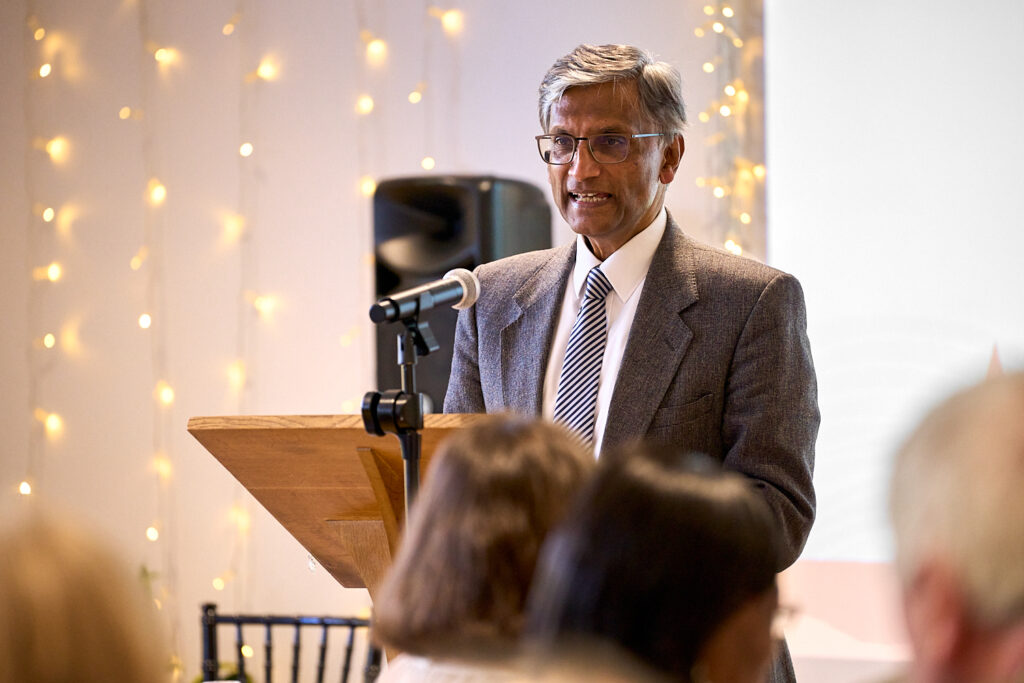
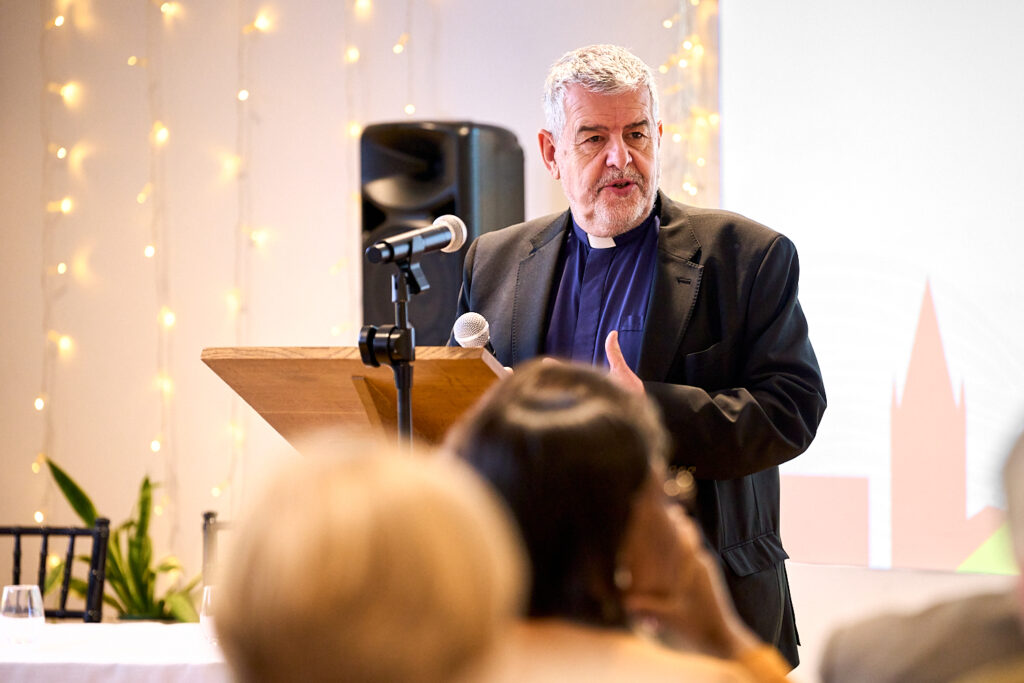
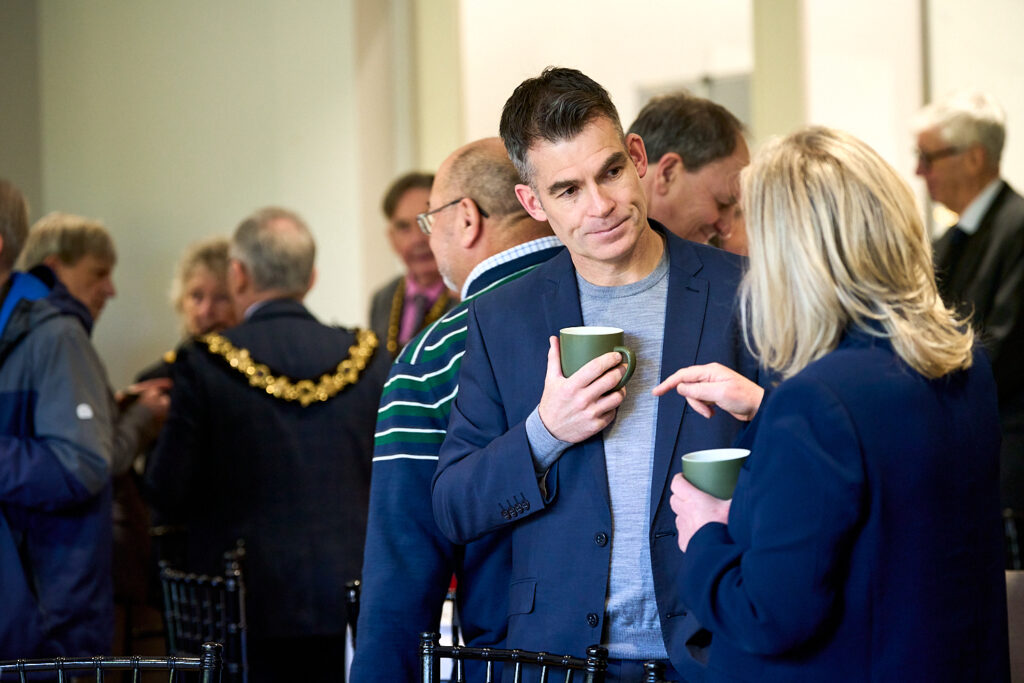
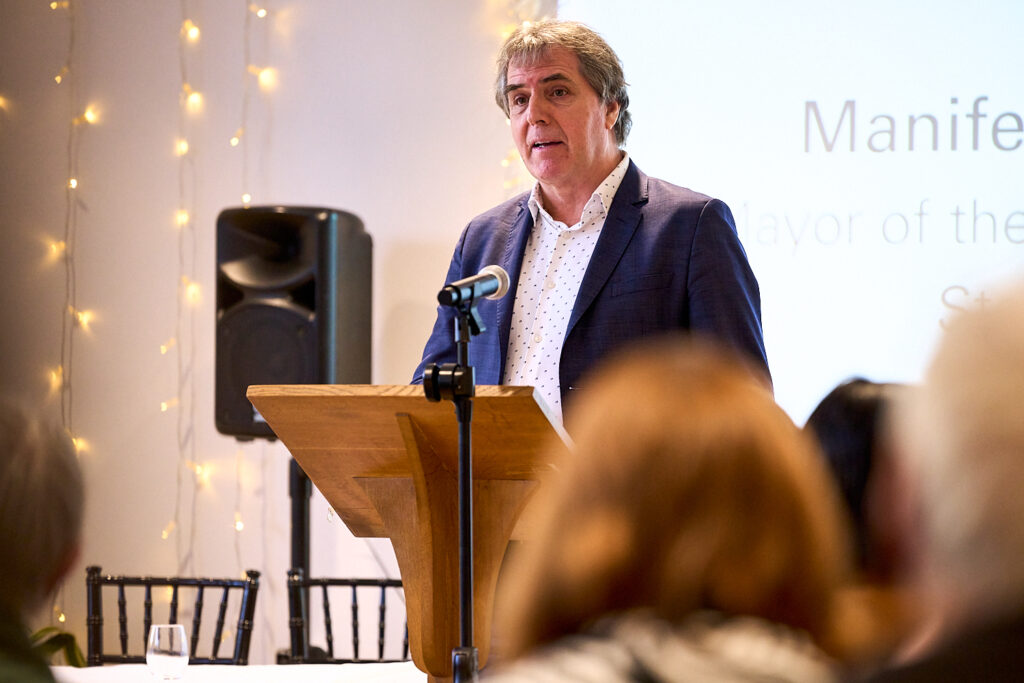
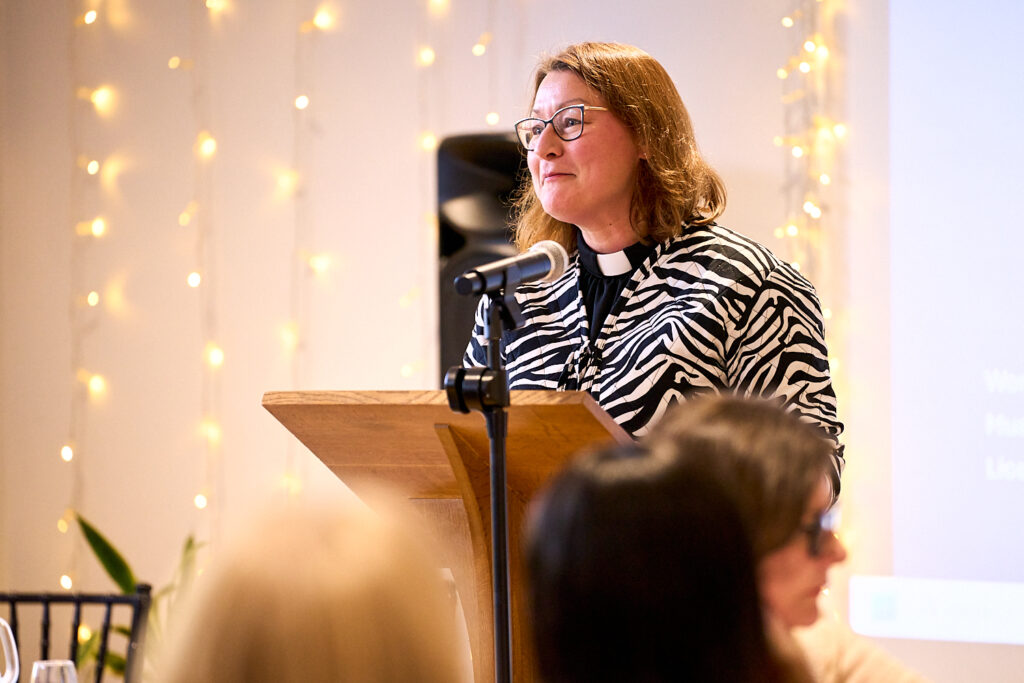
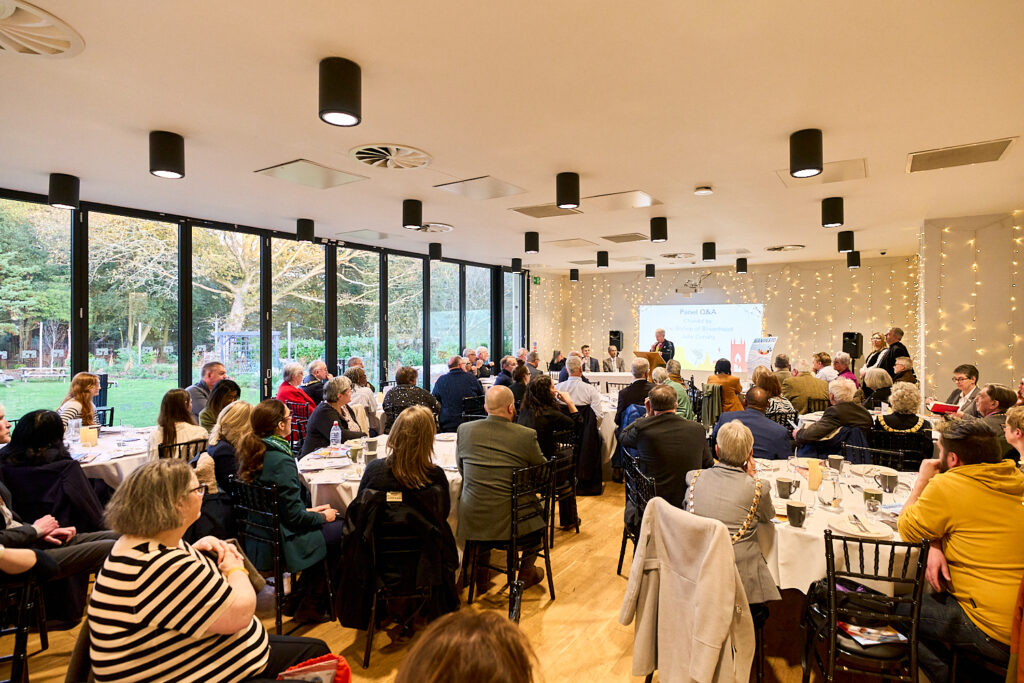
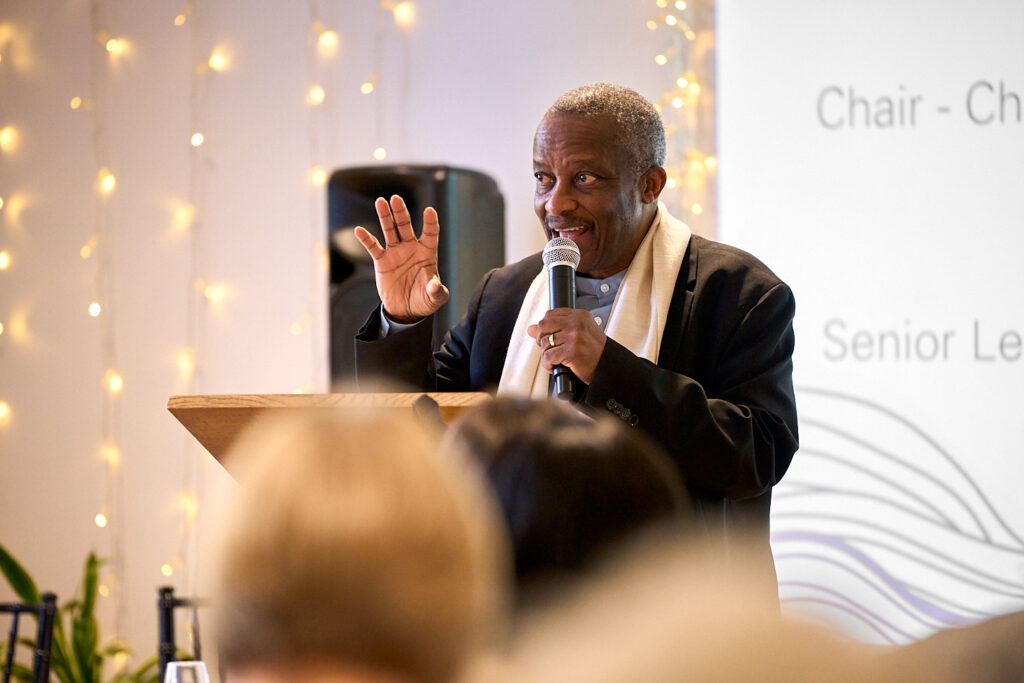
View our gallery of photos from the launch event, kindly funded by the Josephine Butler Memorial Trust:
FAQs Explore the sections below to find out more
What was the Faith in the City report?
The Faith in the City report was published in 1985 by the Archbishop of Canterbury’s Commission on Urban Priority Areas. It highlighted the urgent needs of people living in inner-city communities and called on both the Church and the Government to take action. The report was a landmark moment, recognising the role of faith in tackling poverty and inequality.
Why is the anniversary being marked in 2025?
Marking the 40-year legacy of Faith in the City is an opportunity for reflection and renewal. It’s a chance to celebrate the report’s impact, highlight stories of change, and acknowledge how faith-led social action has supported communities over generations. It’s also a call to action to address ongoing needs and build stronger partnerships with civic leaders.
40th anniversary year themes
We are exploring three themes as part of our Faith in the City 40th anniversary work:
- Charity to Solidarity Exploring how faith-based social action has evolved into deeper partnerships with communities.
- What Difference Does Faith Make? Reflecting on the role of faith in inspiring action across diverse communities.
- How Can Faith Communities Engage with Civic Leaders? Advocating for collaborative, sustainable support models with government and public bodies.
Marking the legacy
Through stories, events, and reflections, we plan to honour voices from the original report and highlight the many unsung heroes involved in faith-led social action. We hope to include diverse perspectives from those who were less visible in 1985. Alongside this, we aim to explore everyday acts of kindness and connect past achievements with future possibilities.
Faith in the City 40th anniversary events in 2025 include:
- Micah Lecture at Liverpool Cathedral (June 2025)
- Social Action Network Conference hosted by the Archdiocese of Liverpool (July 2025)
- Faith in the City 40th anniversary celebration (November 2025)
Vision for the City manifesto
This anniversary is not just about looking back, it’s about moving forward. One of the key ways we’ll do that is by creating the Vision for the City manifesto. The stories and reflections we gather will help shape this manifesto and highlight both progress and the gaps that remain.
The Vision for the City manifesto will present a clear picture to civic leaders and faith communities, calling for meaningful, lasting change. We’ll build on the legacy of Faith in the City by asking questions like: “What more can be done?”, “What can be done differently?”, and “How can we make sure no one is left behind?”
By sharing the stories of those still fighting for justice today, the manifesto will honour the past while addressing the challenges we continue to face.
How can I get involved?
Share your story – whether you’re a faith leader, volunteer, or community member. Your voice can shape the Vision for the City and help inspire others. Get in touch with our Faith in the City Project Lead Development officer Fran D’Arcy and be part of building a fairer, more compassionate future.